Archetypes Unlocked
Jung's Universal Patterns Through the Lens of Numerical Psychology
2/24/20263 min read
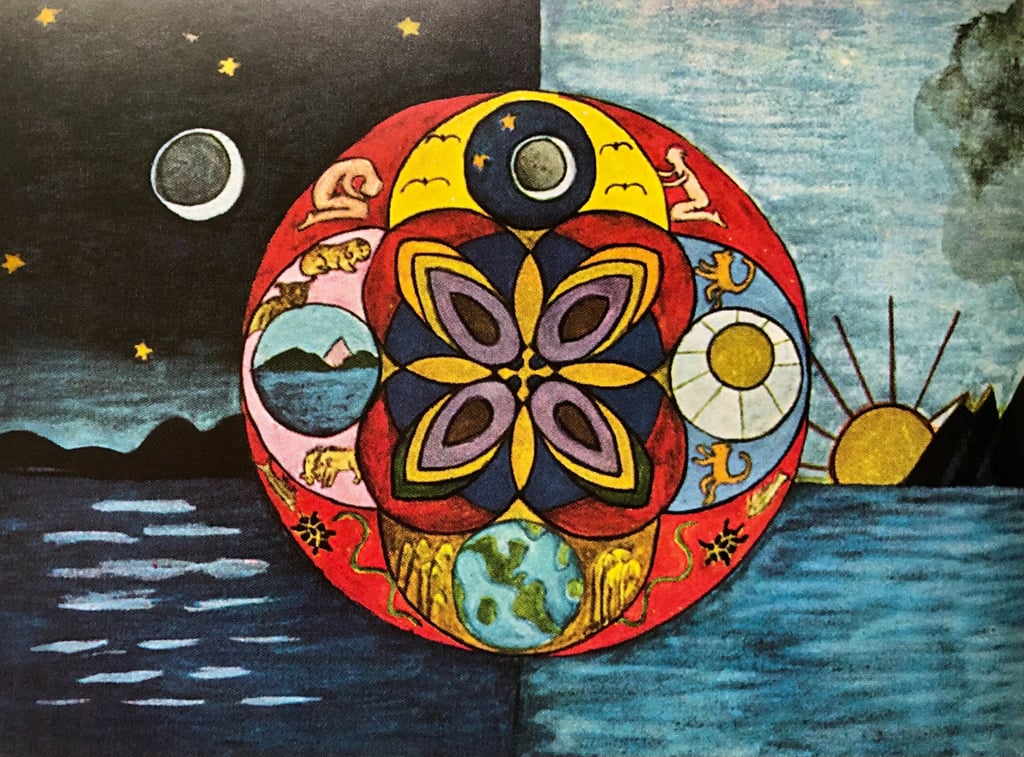
What if the deepest parts of your mind weren't random chaos, but structured patterns—timeless blueprints shared by every human who ever lived? That's the revolutionary idea Carl Gustav Jung brought to psychology with his concept of archetypes. These aren't personal quirks or learned habits; they're inherited psychic structures living in the collective unconscious, the shared "underworld" of humanity's mind. In 2026, as we blend ancient wisdom with modern self-discovery tools, archetypes find a powerful ally in numerical psychology—a system that decodes your birth date's energetic code to reveal personality, challenges, and purpose.
At NumericalPsychology.com, we explore how numbers aren't just quantities—they carry qualities that echo Jung's archetypes. Jung himself called numbers "archetypes of order," spontaneous products of the unconscious that pattern our lives. Let's dive into this fascinating intersection and see how understanding archetypes can transform your self-awareness.
The Collective Unconscious: Humanity's Shared Psychic Basement
Jung described the psyche in three layers:
The conscious ego (your everyday "I").
The personal unconscious (your unique memories and repressions).
The collective unconscious—a deep, inherited reservoir full of archetypes.
Archetypes are like psychological DNA: universal templates that emerge in myths, dreams, art, religions, and even modern stories. They activate during key life moments—crises, transitions, relationships—forcing growth. Ignore them, and they manifest as fate; embrace them, and they guide individuation (Jung's term for becoming your whole Self).
Jung saw numbers as prime examples of archetypes. In his writings on synchronicity and alchemy, he noted that numbers like 1 (unity), 2 (duality), 3 (synthesis), and 4 (wholeness) aren't inventions—they're discovered, eternal patterns that "behave" autonomously in the psyche. This bridges perfectly to numerical psychology, where your birth date reduces to core numbers (Mind Number, Action Number, etc.) that map your inner blueprint.
Jung's Core Archetypes: The Big Four
Jung focused on four foundational archetypes shaping personality and development:
The Persona Your social mask—the adapted face you show the world to fit roles (professional, parent, friend). It's essential for functioning but dangerous if over-identified with. Numerical tie-in: Often linked to surface numbers in your chart that govern outward expression. Visit our Vedic Numerology Basics to see how your ruling number influences this "mask."
The Shadow The rejected, hidden side—qualities you deny or project onto others (anger, envy, weakness). Integrating the shadow brings power and authenticity. Numerical tie-in: Shadow aspects often appear in challenging reductions or "enemy years." Check our guide on Zodiac Enemy Years for when these energies peak.
Anima / Animus The inner feminine in men (anima) or masculine in women (animus)—influencing creativity, relationships, and soul connections. Numerical tie-in: These emerge in relational numbers, like compatibility codes. Explore our services for personalized readings on love dynamics.
The Self The archetype of wholeness—the unifying center balancing opposites. Symbolized by mandalas, divine figures, or quaternity (fourfold structures). Numerical tie-in: The ultimate goal in numerical psychology is aligning with your core Self number for fulfillment. Dive deeper in our articles section.
Beyond the Core: Archetypes in Everyday Life and Numbers
Jung noted countless archetypes (Hero, Wise Old Man, Mother, Child, Trickster), but modern interpreters expanded to 12 character types (e.g., Ruler, Lover, Sage)—many used in branding and storytelling. In numerical psychology, these map to single-digit vibrations:
1: Unity, leadership (Hero archetype).
4: Stability, structure (quaternity, Self).
9: Completion, compassion (Wise Old Man/Woman, humanitarian closure).
Jung's apocalyptic archetype (as we discussed earlier) ties to cycles of destruction and renewal—mirroring how numerical patterns show "breakdown" phases before rebirth. In 2026's uncertain world, recognizing these activations helps turn chaos into conscious growth.
Why This Matters in 2026—and How Numerical Psychology Helps
Archetypes explain recurring themes: why heroes rise in crises, why shadows fuel division, or why wholeness feels like "coming home." Numerical psychology quantifies them—your birth date isn't random; it's a precise code revealing which archetypes dominate your life path.
Ready to decode yours? Start with our free tools or enroll in the Numerical Psychology Course & Certification to master reading these patterns professionally.
Jung said: "Until you make the unconscious conscious, it will direct your life and you will call it fate." Numbers make that process tangible—archetypes become actionable insights.
Explore more at NumericalPsychology.com:
Your psyche's archetypes are waiting—unlock them with numbers today. What's your core number saying? Share in the comments or book a consultation. The journey to wholeness starts here. 🌟